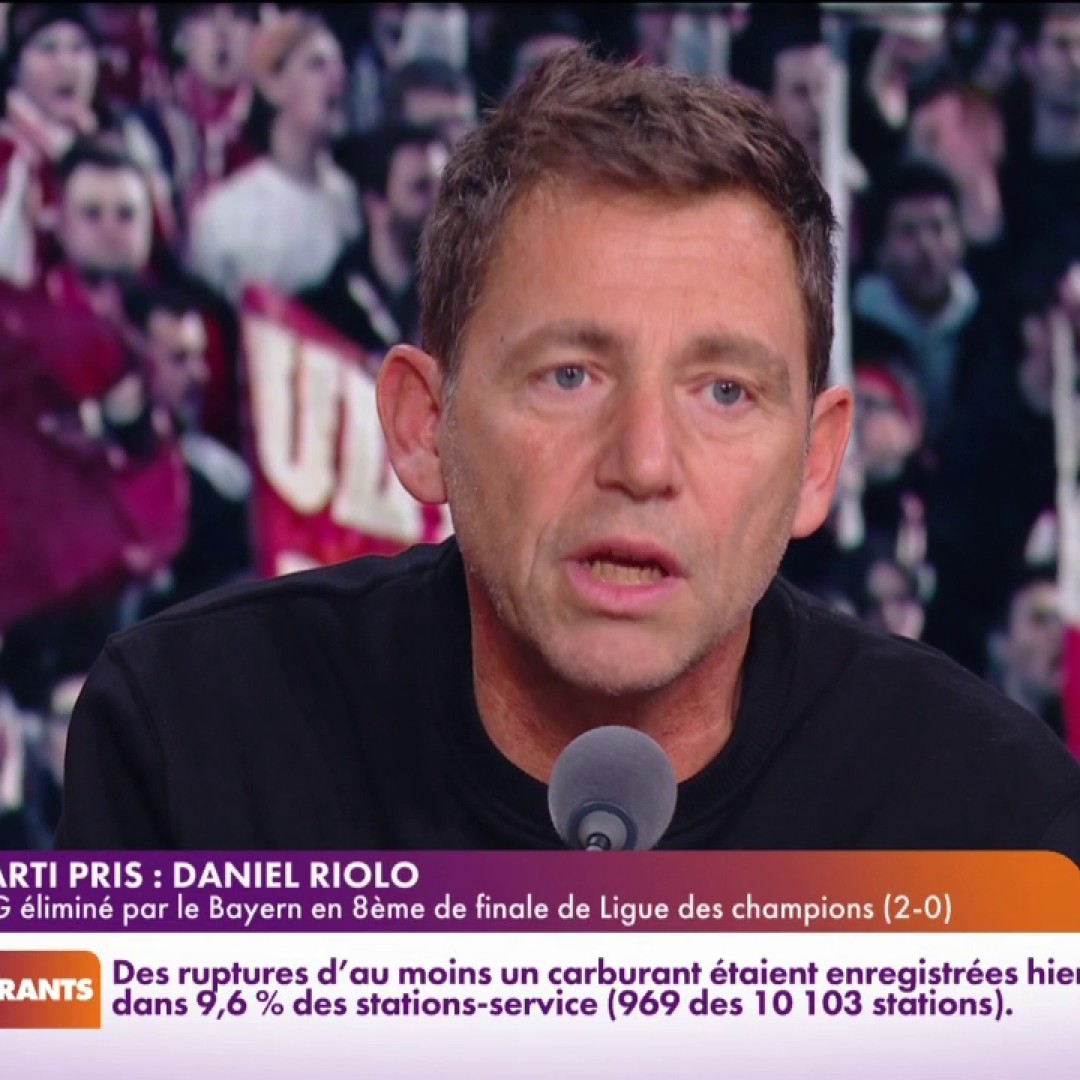
PSG's Recurring Errors: The Unspoken Truth of Player Management
Paris Saint-Germain, a club synonymous with ambition, lavish spending, and a galaxy of footballing superstars, has undeniably reshaped the landscape of European football since the Qatari Sports Investments (QSI) takeover in 2011. With a trophy cabinet overflowing with domestic silverware and a brand recognized globally, PSG has ascended to an elite tier. Yet, for all its undeniable success off the pitch and within France, a haunting question persists: why has the coveted Champions League crown remained so elusive? The answer, many believe, lies not in a lack of talent or financial muscle, but in a repetitive cycle of flawed player management – a pattern of
Les Memes Erreurs Encore Et Encore.
The story of PSG's QSI era is one of unprecedented investment aimed at transforming a respectable French club into a European juggernaut. From the initial flurry of high-profile signings to assembling arguably the most potent attacking trios in history with Neymar, Kylian Mbappé, and Lionel Messi, the ambition has always been clear. However, beneath the veneer of glitz and glamour, a consistent thread of dissatisfaction and acrimonious departures weaves through the club's narrative. This isn't just about individual player grievances; it points to a systemic issue in how PSG acquires, integrates, and ultimately parts ways with its most valuable assets.
The Glamour and the Gaffes: A Tale of Unfulfilled Potential
The initial excitement surrounding the QSI project was palpable. Players like Zlatan Ibrahimović, Thiago Silva, and Edinson Cavani brought star power and a winning mentality, quickly establishing PSG as the dominant force in Ligue 1. The club became a magnet for talent, boasting state-of-the-art facilities and a significant financial draw. Yet, even in those nascent stages, signs of management missteps began to emerge, hinting at the larger problems that would later plague the club.
One telling early example involves Milan Bisevac, a robust defender signed at the very beginning of the QSI era. Despite performing admirably and earning the respect of teammates like Ibrahimović and then-coach Carlo Ancelotti, Bisevac found himself unceremoniously pushed out after just one season. As he himself recounted to L'Équipe, the decision by then-sporting director Leonardo to force his departure in 2012 was "the decision you never understood." This wasn't about Bisevac's quality, but seemingly a pursuit of more "clinquant" or flashy profiles. Such an early indicator suggested a tendency towards prioritizing commercial appeal or instant gratification over continuity and internal cohesion – a pattern that would recur throughout PSG's history, showcasing
Les Memes Erreurs Encore Et Encore in player transitions.
Even respected figures within the game have voiced concerns. Legendary Italian goalkeeper Gianluigi Buffon, who spent a season at PSG, observed that the club doesn't always handle player departures in "the best manner." These aren't isolated anecdotes; they are symptoms of a deeper cultural issue within the club's sporting hierarchy.
High-Profile Departures: When Superstars Become Casualties
The most glaring illustrations of PSG's recurring management flaws manifest in the messy exits of its biggest stars. The cases of Lionel Messi and Neymar stand out as prime examples of how ambition, when poorly managed, can turn into a public relations nightmare and a sporting disappointment. Both players, recruited amidst immense fanfare and astronomical investment, ended their Parisian chapters in what has been described as an "enfer" or "hell."
Lionel Messi, arguably the greatest player of all time, arrived with the hope of finally delivering the Champions League. His departure, however, was marked by fan discontent, a failure to fully integrate into the team's system, and a general sense of unease. Similarly, Neymar's record-breaking transfer in 2017 promised a new era, but his time was marred by injuries, off-field controversies, and ultimately, a departure that felt more like a relief than a loss for many.
These weren't just personal failures; they were systemic ones. How could a club with such resources fail to create an environment where two of football's most gifted individuals could thrive and feel valued until their natural departure? The common threads often include:
*
Lack of a Clear Sporting Vision: While the goal is European glory, the strategy often appears reactive, chasing big names rather than building a cohesive unit with a distinct playing style.
*
Power Dynamics and Egos: Managing a dressing room with multiple superstars requires exceptional leadership and a delicate balance. PSG has often struggled to foster a collective identity, with individual egos sometimes overshadowing team objectives.
*
Poor Communication: Players often speak of feeling alienated or uninformed about their future, leading to resentment and public spats. The dignity often afforded to club legends at other major European clubs is frequently absent at PSG.
*
Commercial vs. Sporting Priorities: There's an argument to be made that sometimes the marketing potential of a player overshadows their suitability for the team's tactical needs or their long-term integration into the club's culture.
This cycle of recruiting incredible talent only to see their stints end disappointingly – or worse, acrimoniously – has become PSG's unfortunate signature, a testament to
Les Memes Erreurs Encore Et Encore.
Beyond the Pitch: Root Causes of PSG's Management Missteps
Understanding the underlying reasons for these recurring errors is crucial for PSG to break free from this cycle. It's not simply about individual decisions but a broader organizational culture.
1.
Short-Termism and Instant Gratification: The immense pressure from QSI for immediate Champions League success can lead to a focus on quick fixes through marquee signings rather than patient, strategic squad building. This often overlooks the importance of team chemistry and a clear tactical philosophy.
2.
Shifting Sporting Director Roles: The constant turnover or shifting influence of sporting directors (from Leonardo to Antero Henrique, back to Leonardo, then Luis Campos) can lead to inconsistent transfer policies and player management strategies. A stable, empowered sporting director with a long-term vision is vital.
3.
Player Power and Hierarchy: In a team full of global icons, managing diverse personalities and expectations is a monumental task. When players feel their status grants them undue influence, it can undermine coaching authority and team discipline.
4.
Focus on Attack over Balance: Historically, PSG has prioritized signing attacking superstars, sometimes at the expense of building a balanced, defensively solid team. This tactical imbalance contributes to their fragility in high-stakes European matches.
5.
Inability to Build a 'PSG Way': Unlike clubs with deeply ingrained philosophies (e.g., Barcelona's tiki-taka, Bayern's disciplined efficiency), PSG has struggled to define a clear "PSG Way" of playing or managing. This lack of a core identity makes it harder to integrate new players and maintain consistency.
These factors combine to create an environment where even the most talented players can struggle, and where departures often leave a bitter taste, reinforcing the narrative of
Les Memes Erreurs Encore Et Encore.
Breaking the Cycle: Strategies for Sustainable Success
For PSG to truly achieve its ultimate European ambition and shed the label of perpetual underachievers in the Champions League, a fundamental shift in approach is necessary. Breaking the cycle of
Les Memes Erreurs Encore Et Encore requires more than just financial investment; it demands strategic wisdom and a human-centric approach to player management.
Here are some actionable strategies:
*
Establish a Clear, Consistent Sporting Philosophy: PSG needs a defined playing style and club ethos that transcends individual players or coaches. This guides recruitment, player development, and integration.
*
Empower and Stabilize the Sporting Director Role: A single, respected individual with a long-term vision should have ultimate authority over footballing matters, ensuring continuity and accountability. This role should be insulated from short-term ownership pressure.
*
Prioritize Team Cohesion Over Individual Stardom: While superstar signings are exciting, building a cohesive unit where every player understands their role and contributes to the collective is paramount. Sometimes, a less glamorous but more fitting player is better for the team than a globally recognized name.
*
Invest in Proactive Player Welfare and Transition Planning: Clubs should actively manage player careers, providing support, open communication, and planning for eventual departures well in advance. Offering dignified exits, even for players moving on, preserves the club's reputation and fosters positive relationships.
*
Cultivate a Culture of Accountability and Respect: All members, from the highest-paid superstar to the youth academy prospect, must adhere to club values and principles. This includes clear lines of authority and mutual respect between players, coaches, and management.
*
Balanced Squad Construction: While attacking flair is crucial, equal emphasis must be placed on building a robust midfield and defense. A balanced squad is resilient under pressure and less reliant on individual moments of brilliance.
By focusing on these areas, PSG can move beyond the reactive, often chaotic, player management style that has hindered their European ambitions. The goal is not just to collect trophies, but to build a sustainable legacy based on sound sporting principles and respectful player relations.
In conclusion, PSG's journey has been one of unprecedented financial power and domestic dominance, yet the ultimate European prize remains just out of reach. This persistent shortfall is inextricably linked to a recurring pattern of flawed player management –
Les Memes Erreurs Encore Et Encore – that has seen superstars arrive and depart under a cloud. To truly ascend to the pinnacle of European football, PSG must learn from its past, prioritize long-term strategic planning over short-term gratification, and cultivate an environment where players thrive, not just exist. Only then can they hope to break the cycle and achieve the success their investments were always intended to secure. Just as certain societal tendencies or economic policies might face scrutiny for their repetitive nature and unforeseen consequences, such as those discussed in
France's Economic Downfall: The Peril of Attacking Wealth Creation or the questions raised in
Is France's Anti-Wealth Stance Fueling its Economic Decline?, PSG's persistent footballing errors highlight how repeating similar mistakes, regardless of the domain, can impede progress and success.